Running in different weather feels completely different — and your pace should too. Slowing down in heat or easing into cold runs helps you stay strong and injury-free.
🏃♀️ One week it’s sunny and mild, the next it’s crisp and chilly — fall weather keeps runners guessing.
Running at the same pace in every condition can lead to fatigue, dehydration, or injury.
Here’s how to fine-tune your speed so you can run comfortably no matter the temperature.
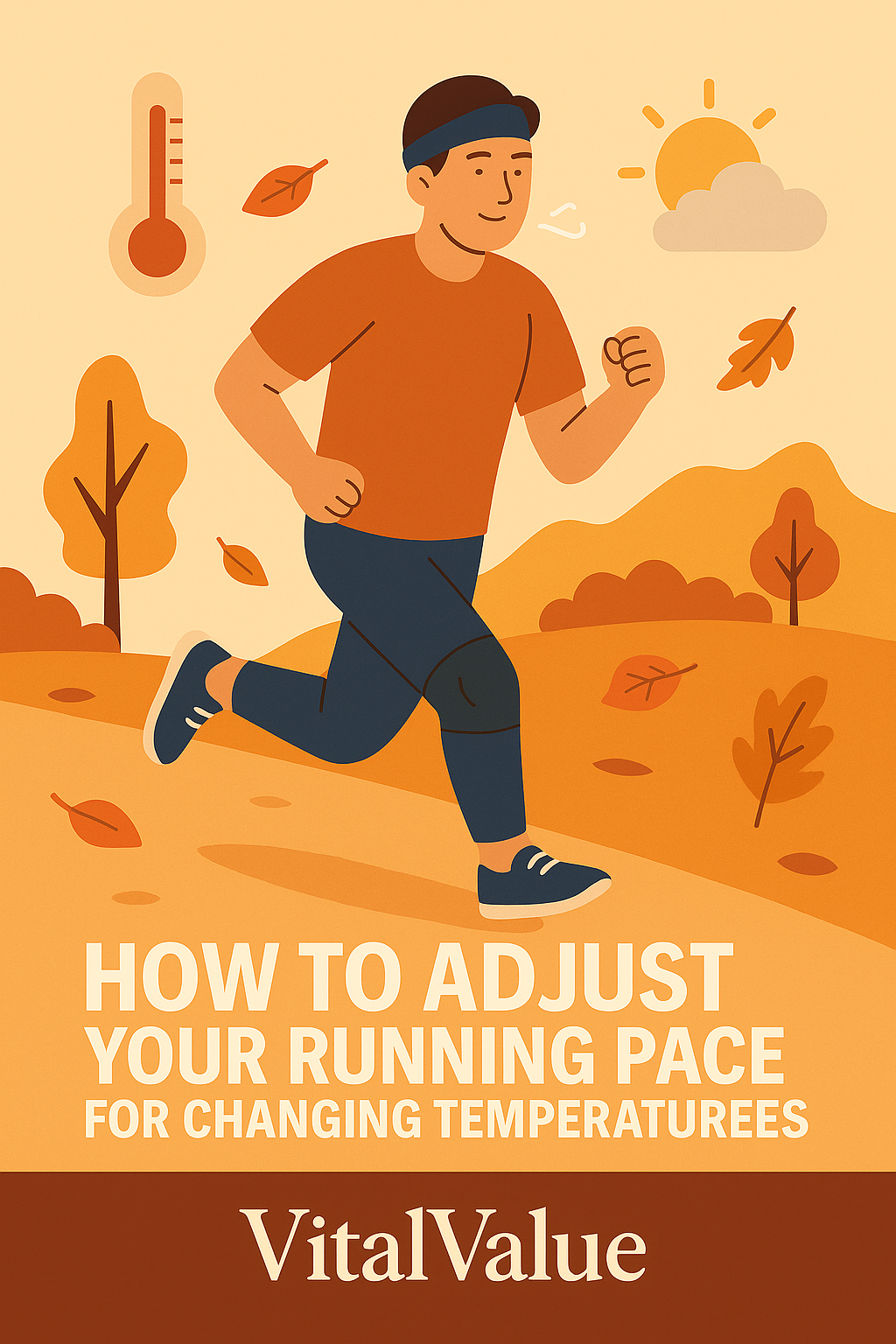
Cause & Background — Why Temperature Affects Running Pace
Temperature changes impact hydration, heart rate, and muscle performance.
Warmer conditions can increase sweating and slow your pace, while cooler weather may tighten muscles and require a longer warm-up.
Adapting your pace helps maintain endurance, prevent injury, and make your runs more enjoyable year-round.
Practical Solutions — Temperature-Based Pace Adjustments
🌡️ Warm Weather (Above 20°C / 68°F)
In warm conditions, the body works harder to cool itself.
Even a small rise in temperature can elevate heart rate and drain hydration faster than you expect.
Slow your pace by 3–5% — it’s not a loss of performance, but a sign of awareness.
Sip water before heading out, take small sips during, and rehydrate afterward.
Listen for early signs of fatigue: your body is asking for balance, not endurance.
Running in heat is less about speed and more about staying steady within the warmth.
🍂 Mild Weather (10–20°C / 50–68°F)
This range is the sweet spot — the air is cool, muscles stay loose, and breathing feels effortless.
Here, you can maintain your target pace comfortably,
but still give yourself a few minutes to warm up before finding rhythm.
Let the first stretch of road be your transition from routine to flow.
This temperature teaches you the beauty of balance — not too cold, not too hot,
just enough to feel fully alive in motion.
❄️ Cold Weather (Below 10°C / 50°F)
In cooler air, muscles tighten faster and circulation slows.
Start your run 5–10% slower to give the body time to wake.
Layer lightly, covering hands and ears, and increase your pace gradually after the first mile.
You’ll feel warmth spreading outward — a gentle burn that turns into comfort.
Running in the cold is about patience: letting warmth build from within,
rather than forcing it from the start.
Fact Box — Signs You Need to Adjust Your Pace
📌 Difficulty catching your breath
📌 Rapid heart rate compared to normal runs
📌 Muscle tightness or cramping
📌 Excessive sweating or chills
Quick Checklist — Smart Seasonal Running
✅ Check the weather before heading out
✅ Adjust pace by temperature, not just effort level
✅ Dress in layers for cold weather; wear breathable fabrics in heat
✅ Warm up longer in cooler temperatures
✅ Hydrate year-round, not just in summer
Run with the Seasons
Your best running pace changes as the weather does.
By listening to your body and making small adjustments, you’ll improve performance, reduce injury risk, and enjoy running in every season.
💛 The right pace today means more miles tomorrow.
'Health' 카테고리의 다른 글
| Best Time for Flu Shots in Winter and How They Protect You (0) | 2025.12.01 |
|---|---|
| Indoor Exercises to Relieve Lower Back Pain During Seasonal Changes (0) | 2025.11.30 |
| Drinking Warm Water in the Morning for Better Circulation (0) | 2025.11.28 |
| Best Knee Protection Gear for Safe and Comfortable Hiking (0) | 2025.11.28 |
| Simple Ankle Rotation Exercise Before Bed to Improve Circulation (0) | 2025.11.27 |


