Good airflow and steady humidity make a big difference in how your home feels. Here, you’ll learn practical tips to improve indoor air quality, reduce heaviness, and maintain a healthier living space.
🏡 One winter, I kept my windows shut for weeks, trying to stay warm — and I didn’t realize how quickly the air around me was changing. Before long, my skin felt unusually dry, my throat grew scratchy in the mornings, and the room itself started to feel heavy with stale air. That was when I understood something simple but important: fresh air and balanced humidity aren’t just about comfort; they quietly protect your breathing, your skin, and your overall sense of well-being. Here’s how to keep your indoor air light, fresh, and kind to your health throughout the entire year — no matter the season.
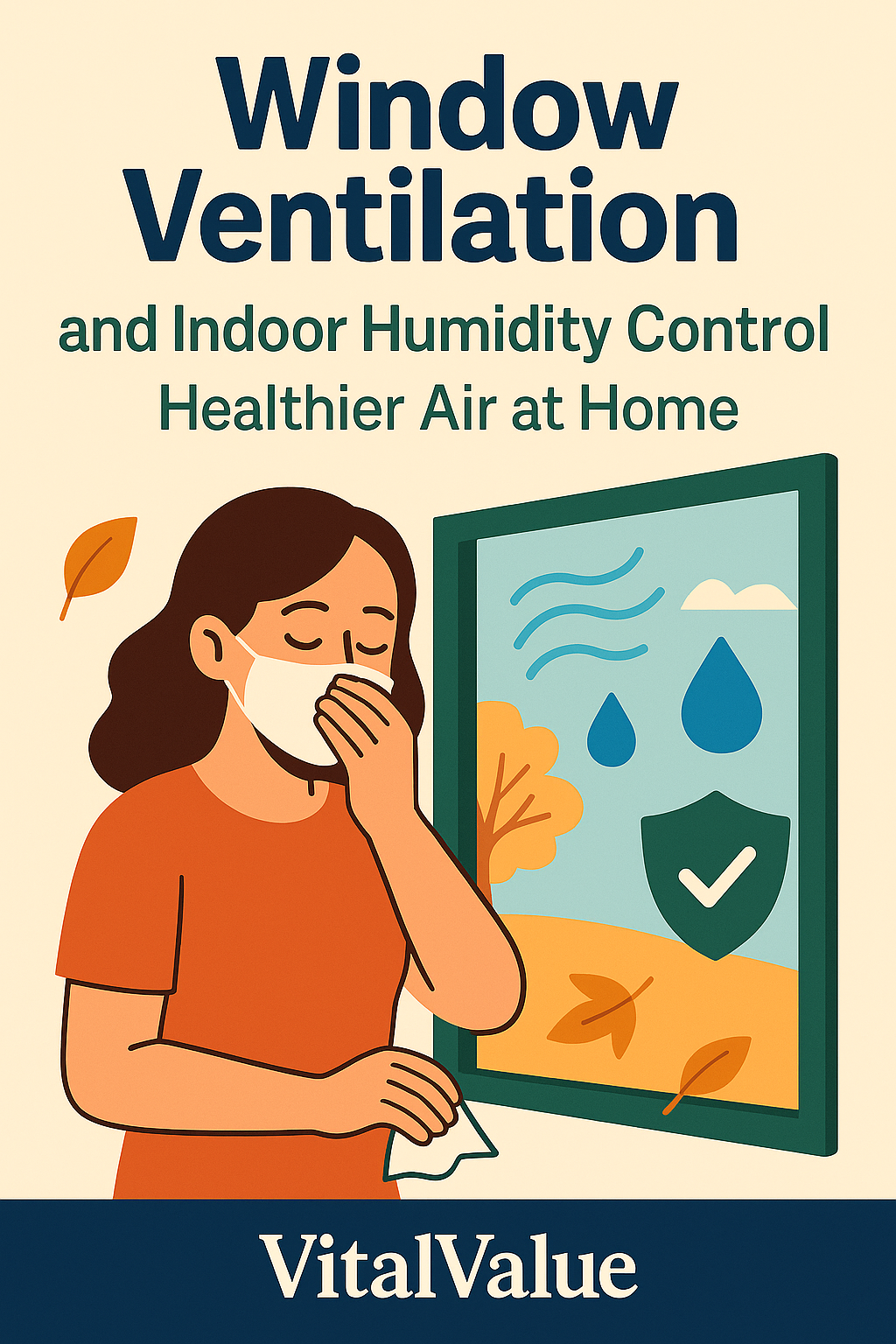
Cause & Background — Why Ventilation and Humidity Matter
Indoor air changes more quickly than we tend to notice. When windows stay closed for long hours, the room begins to collect a mix of dust, carbon dioxide, moisture from our breath, and tiny allergens that float quietly in the background. Even if the air looks clear, it gradually becomes heavy and stagnant, making it harder for the body to feel fully rested. Without regular ventilation, these pollutants build up, often leading to subtle signs like mild breathlessness, difficulty concentrating, or a sense of fatigue that lingers throughout the day.
Humidity plays an equally important role. When the air is too dry, skin becomes tight, the throat and nasal passages lose moisture, and the body becomes more sensitive to irritants. But when humidity rises too high, the air feels heavy, fabrics hold moisture, and mold or dust mites can thrive. Keeping indoor humidity in the comfortable middle range—generally around 40–50%—helps the air feel lighter, supports easier breathing, and creates an environment where the body can relax naturally.
Practical Solutions — How to Ventilate and Control Humidity
🌬 Schedule Regular Ventilation
Open your windows for 5–10 minutes twice a day, ideally in the morning to refresh the air after sleep and again in the evening to reset the space after a long day.
If possible, create cross-ventilation by opening windows on opposite sides of the home—this encourages a gentle flow that sweeps out stale air and replaces it with cleaner, lighter air.
💧 Maintain Balanced Humidity
During winter, when indoor heating dries the air, a humidifier can help protect your skin, throat, and breathing.
In damp or rainy seasons, a dehumidifier prevents moisture from settling into fabrics and corners, reducing the risk of mold and helping the room feel lighter and more comfortable.
🧹 Keep Air Pathways Clear
Make sure vents, windows, and airflow pathways aren’t blocked by heavy furniture or clutter.
Dust can easily accumulate on window sills, frames, and screens, so a quick wipe every week helps maintain cleaner air and prevents allergens from circulating.
📊 Monitor Humidity Levels
A small hygrometer can be surprisingly helpful.
By checking humidity regularly, you can adjust your indoor environment before discomfort sets in—adding moisture when the air feels too dry or reducing it when the room starts to feel heavy or damp.
Fact Box — Indoor Air Basics
📌 Ideal Humidity Range:
Keeping indoor humidity between 40–50% helps maintain a balance where the air feels comfortable, the skin stays hydrated, and the respiratory system functions smoothly.
📌 Ventilation Frequency:
Opening windows twice a day—even for just a few minutes—refreshes stale indoor air, lowers accumulated pollutants, and allows the space to reset.
📌 Health Benefits:
Good air circulation and balanced humidity support easier breathing, fewer allergens in the environment, steadier energy levels, and healthier skin moisture throughout the day.
Quick Checklist — Fresh Air and Balanced Humidity
✅ Ventilate twice a day
✅ Cross-ventilate when possible
✅ Keep humidity between 40–50%
✅ Use humidifiers or dehumidifiers as needed
✅ Clean around windows regularly
A Breath of Fresh Air
A breath of fresh air can change the entire feeling of a home. Good air quality starts with small, thoughtful habits—opening the windows for a moment, letting sunlight move through the room, and keeping humidity gently balanced. These simple choices create a living space that supports clearer breathing, calmer energy, and deeper comfort for you and the people you care about. 💛 When the air is clean and soft on the skin, your home feels warmer, lighter, and welcoming in every season, becoming a place where your body and mind can naturally settle.


